Northern Wei to Northern ZhouNorthern Dynasties · 386–581
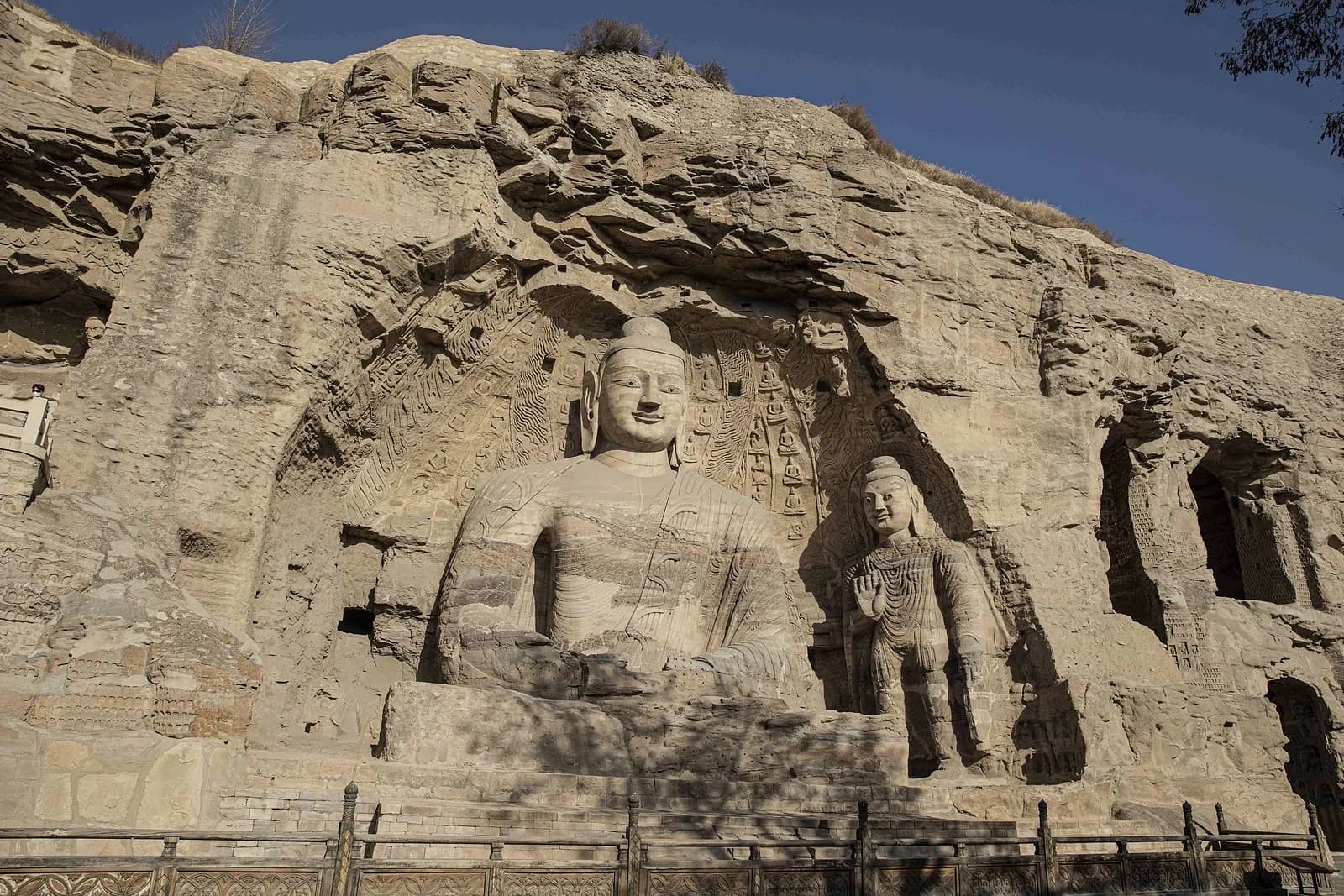
Yungang and Tianlongshan Grottoes
Rock-cut space, carved architecture and sculpture establish an early monumental record before Shanxi's surviving timber halls.
Ancient architecture journeys in Shanxi, China
Shanxi · China's living architectural archive
The evidence
More than 80% of China’s surviving timber buildings from the Yuan dynasty or earlier are in Shanxi. All three of China’s surviving complete Tang timber buildings are here.
Shanxi also preserves 28,027 ancient buildings in total, including temples, pagodas, historic stages, city walls and courtyard compounds. Many still contain the murals and painted sculptures created for their interiors.
Across the dynasties
Choose a dynasty to explore its landmark buildings, surviving interiors and construction traditions.
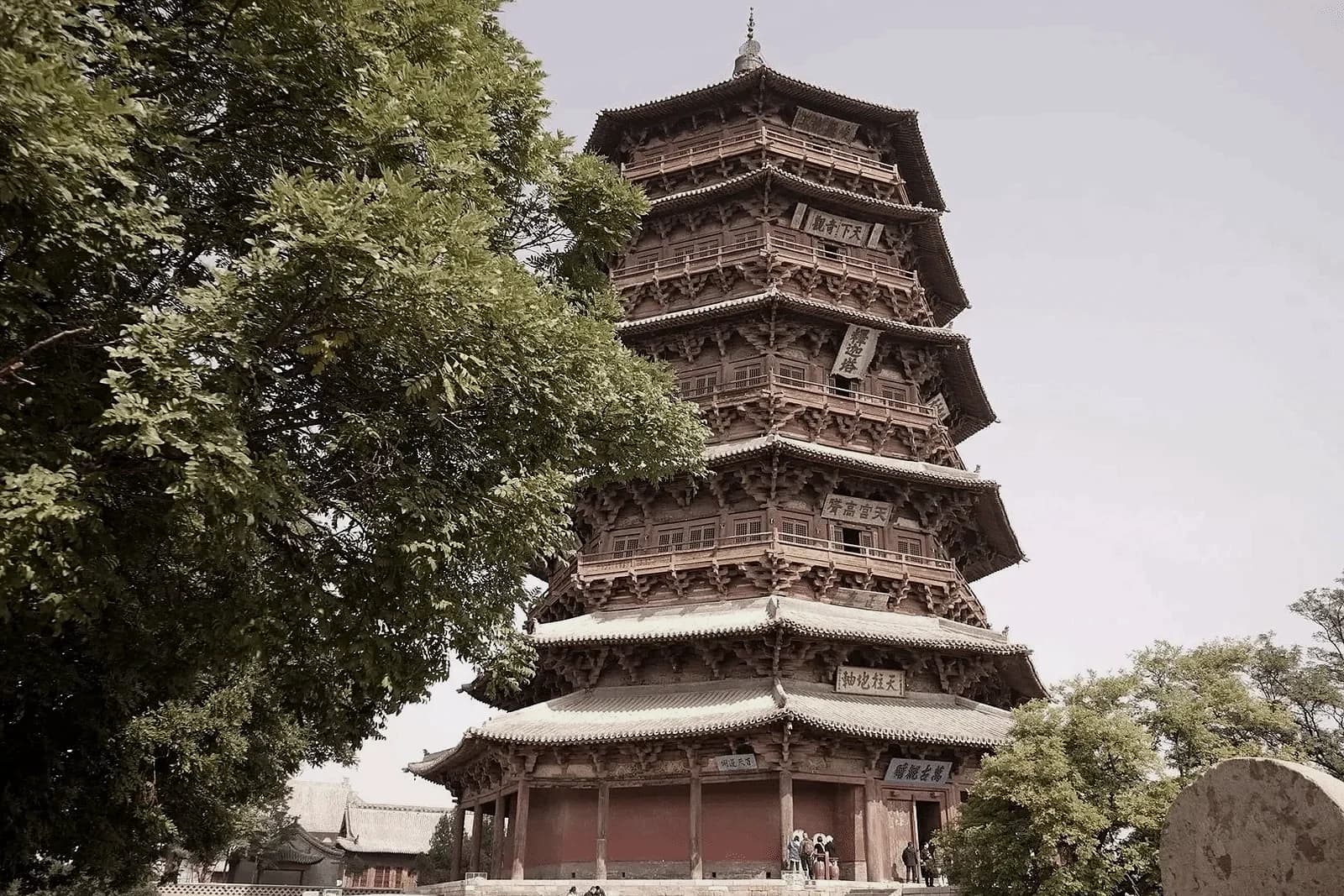
AD 1056Liao Dynasty · 916–1125
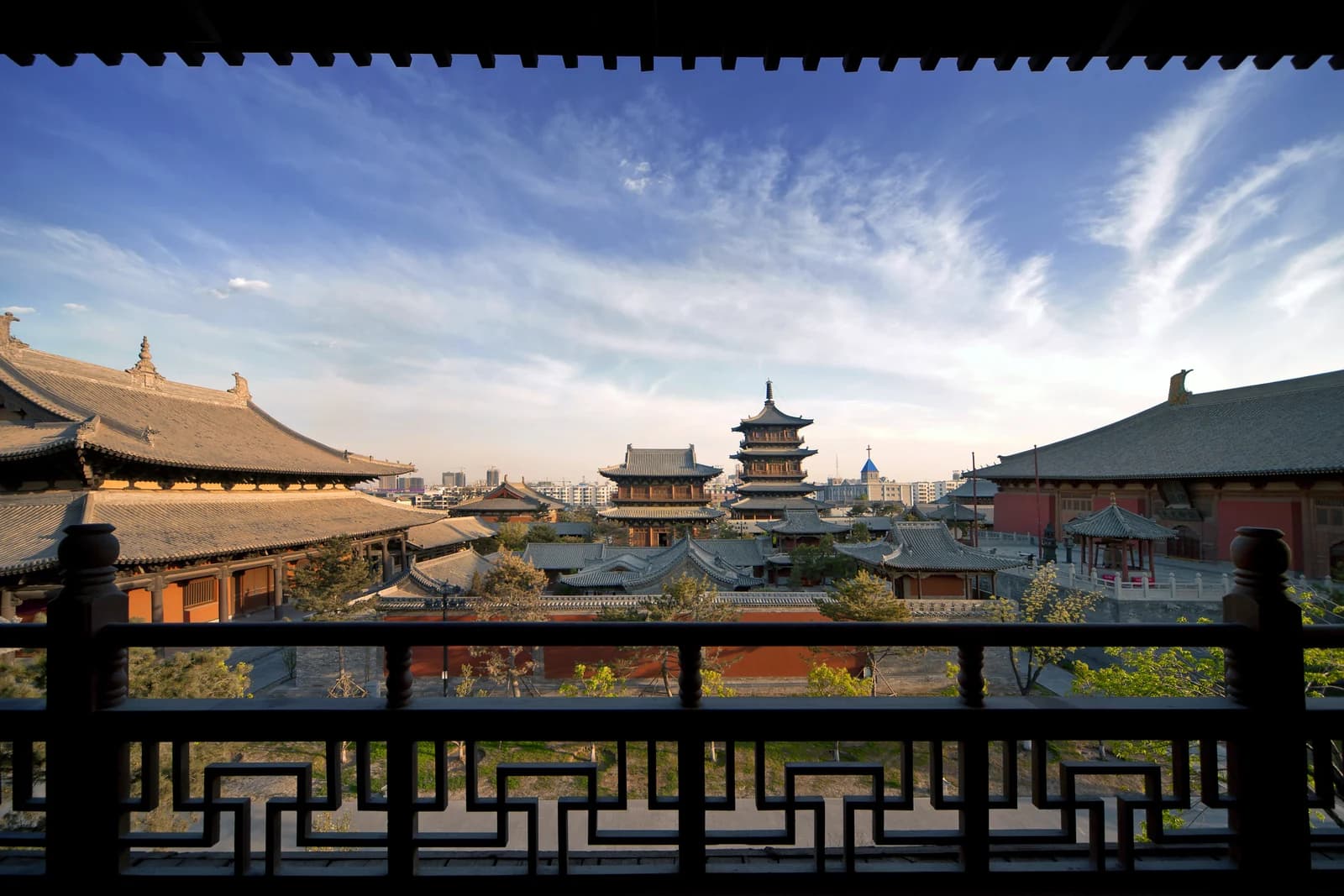
Stacked structure, bracket sets and concealed levels organise a remarkable timber tower within the architectural world of northern Shanxi.
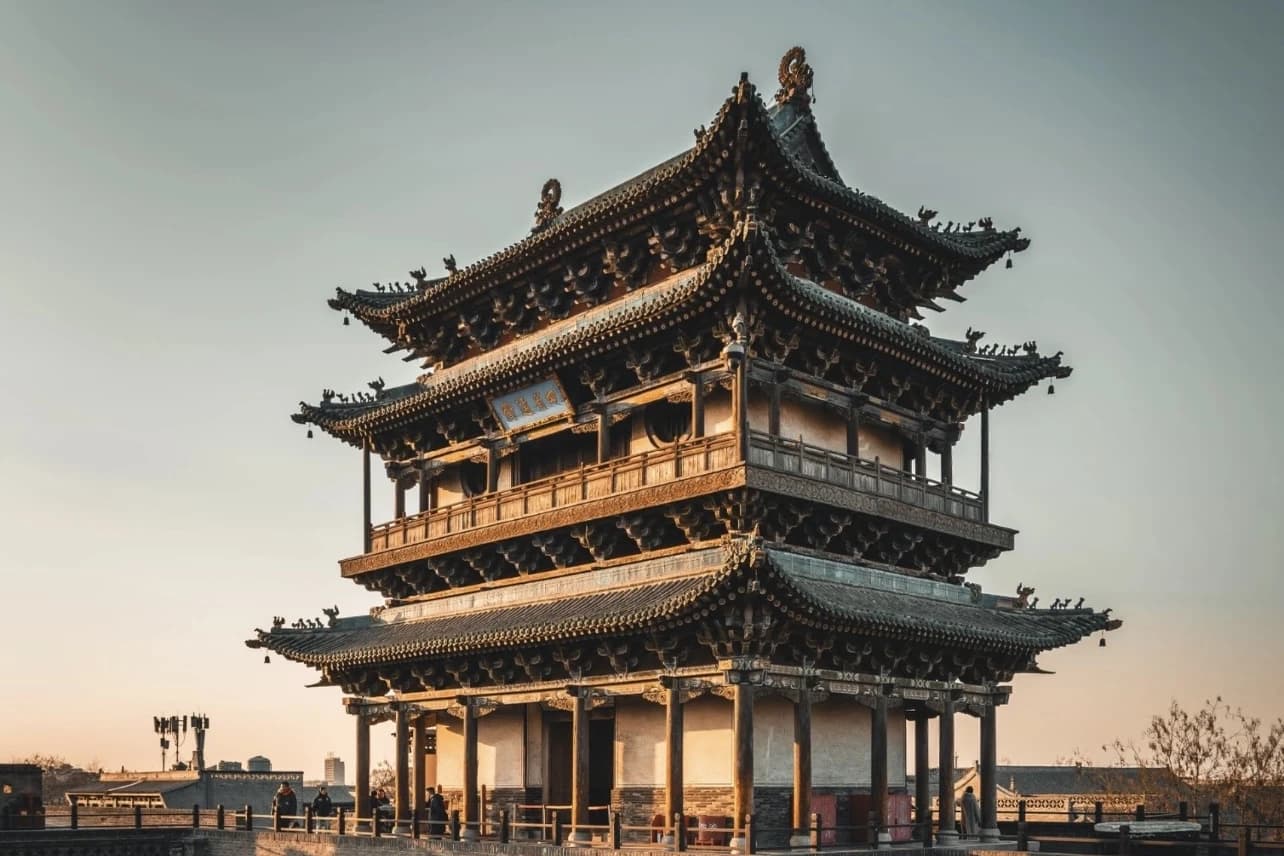
Early 11th centurySong Dynasty · Northern Song · 960–1127
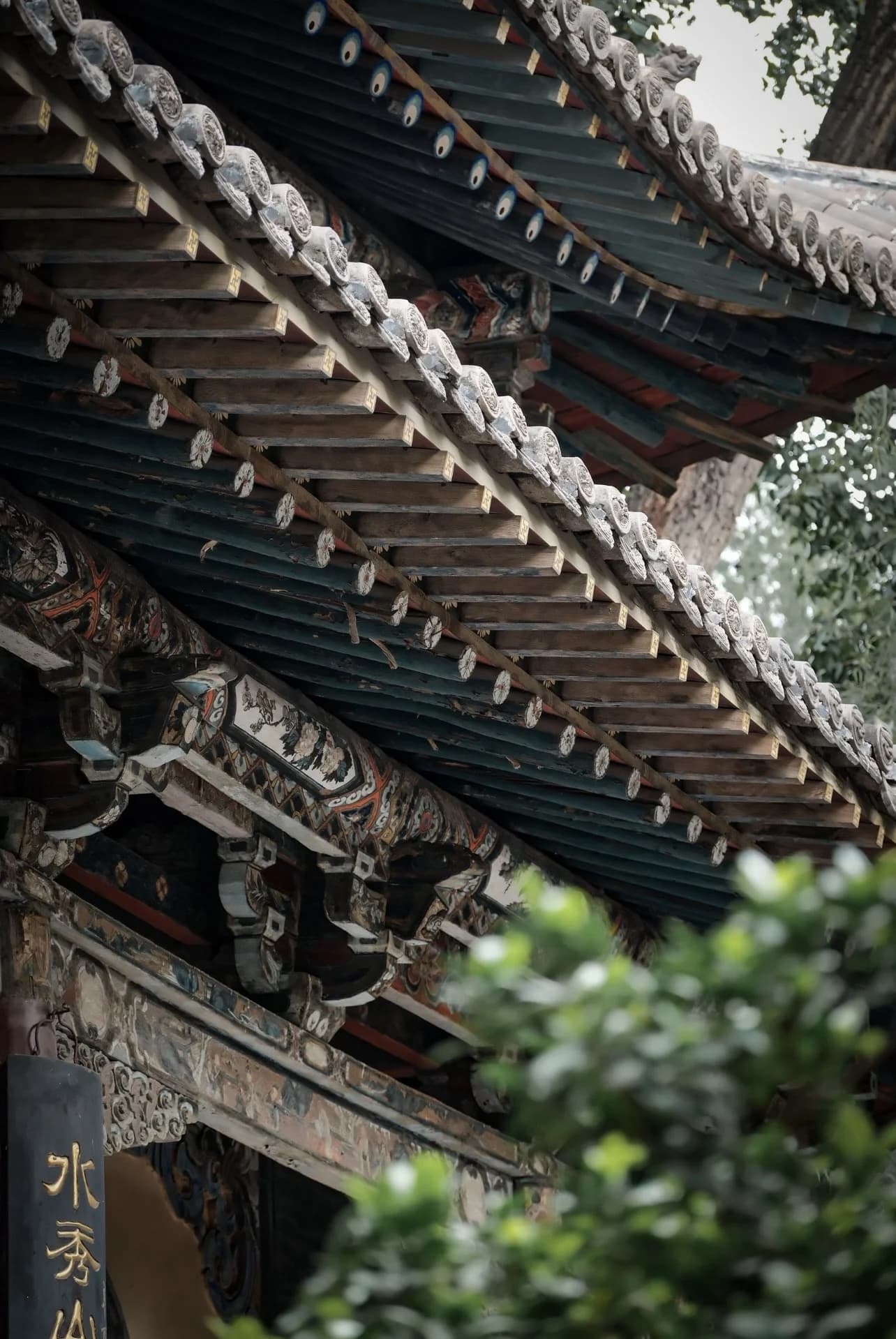
Deep eaves, a surrounding gallery, timber structure and painted sculpture belong to one architectural setting.
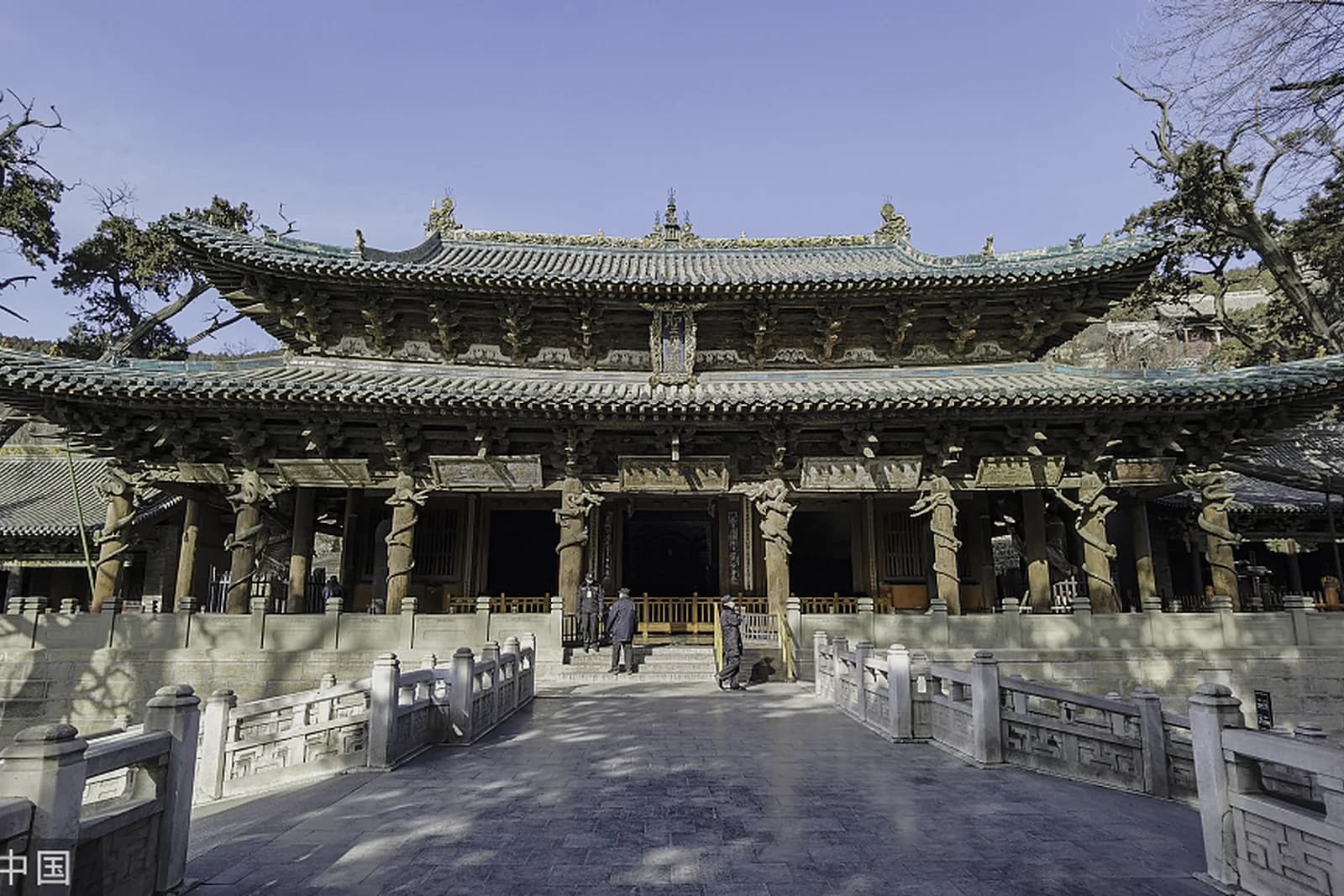
12th centuryJin Dynasty · 1115–1234
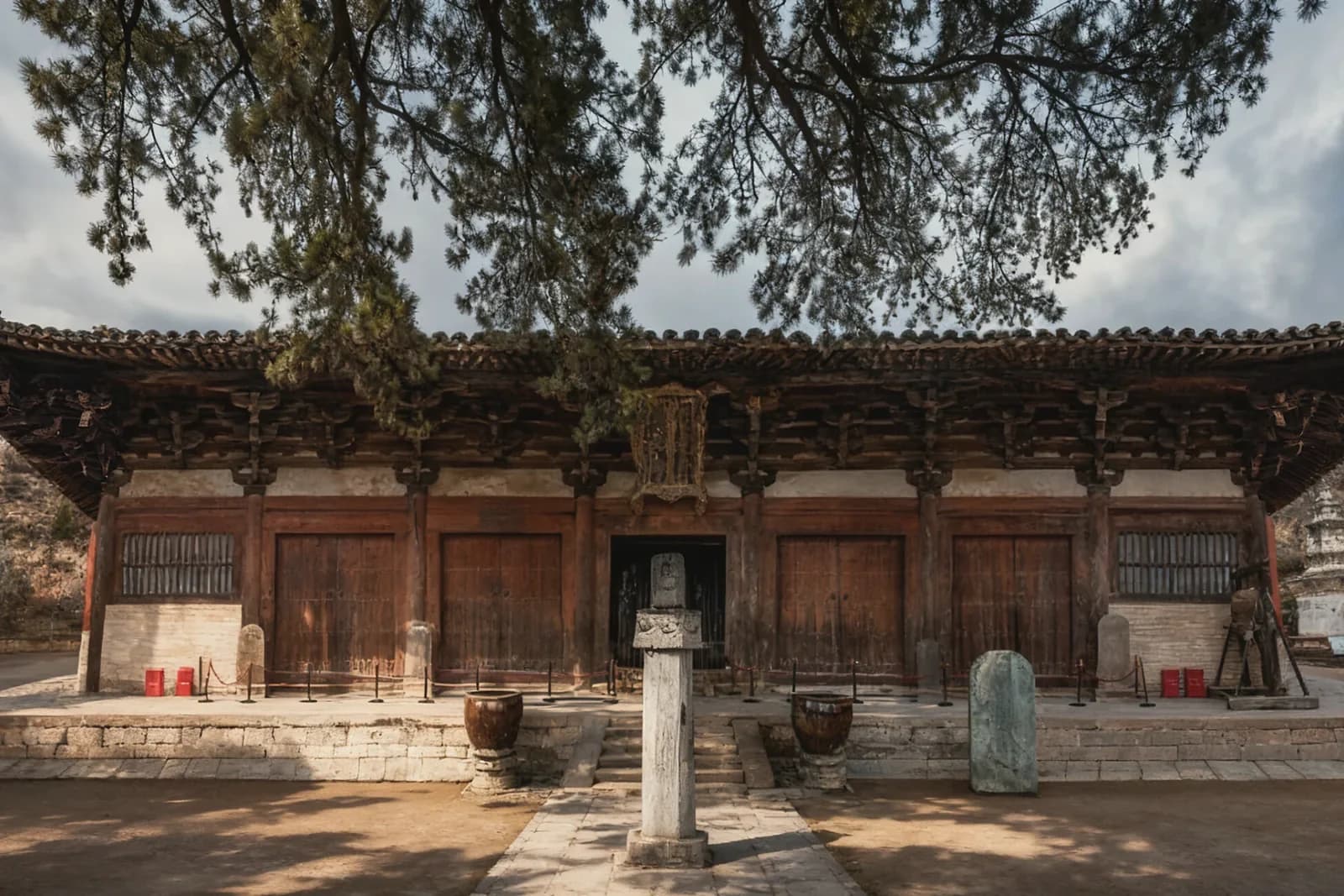
Read the hall at the scale of both its timber structure and the sacred surfaces enclosed beneath its roof.
05 / 08 · Drag the cards or select a period. Dates may overlap.
Journeys
Follow a planned route shaped by years of fieldwork, or start from your own questions and let us shape a private journey around them.
What we do
Heritage Shanxi is a small team of local experts, researchers and experienced guides dedicated to sharing Shanxi's ancient architecture with the world — responsibly, knowledgeably, and on your own terms.

Our perspective begins in Shanxi. We combine local familiarity with careful source review, while distinguishing lived knowledge from claims that still need verification.
We work from field observation, published scholarship and clearly identified sources, explaining uncertainty instead of presenting interpretation as settled fact.
Our planned small-group departure is limited to 10–20 guests. Private journeys are shaped separately around the interests, pace and access needs of each enquiry.
We respect access and photography restrictions, describe conservation context carefully and avoid promising visits or preservation outcomes that have not been confirmed.

Share your dates, group size and architectural priorities. We will respond with a focused route brief, the questions still to resolve and clear next steps.